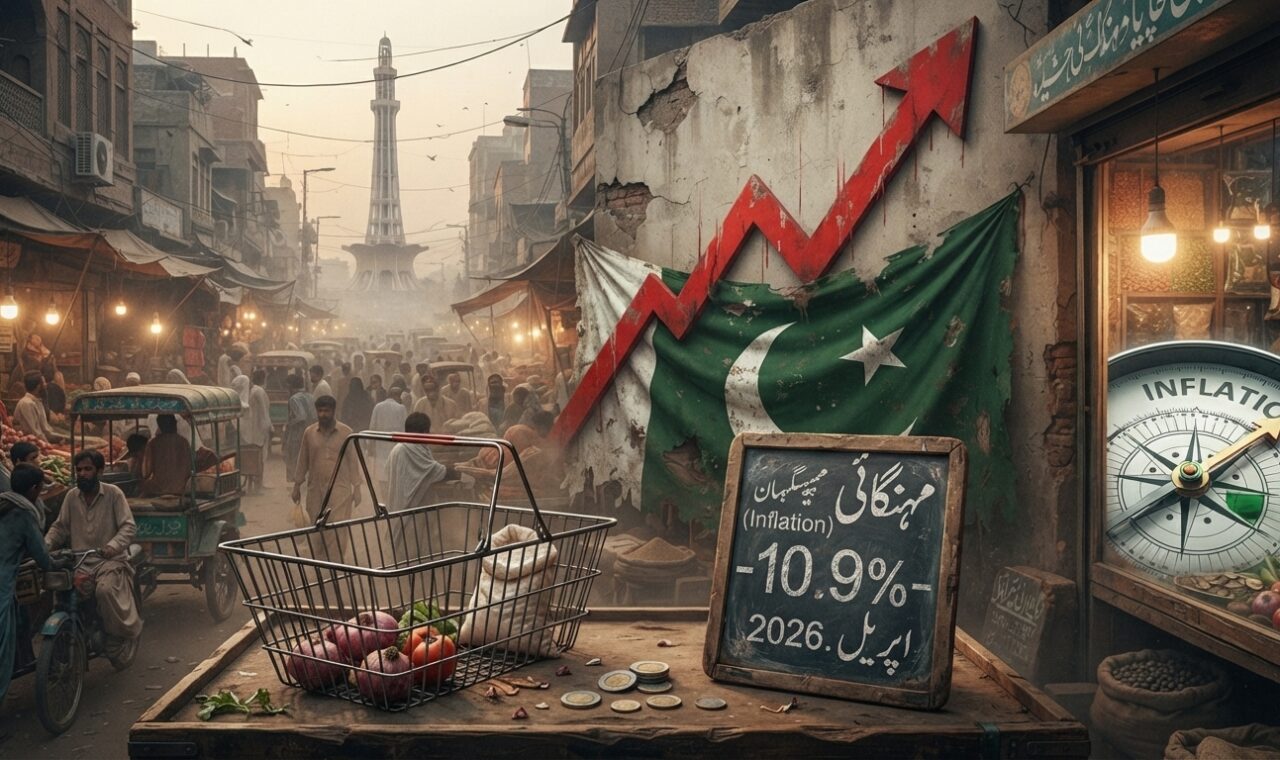
KARACHI (Euro News Agency): Inflation in Pakistan is expected to decline gradually during the fiscal year 2026-27. The State Bank of Pakistan (SBP) has shared this forecast in its Annual Economic Report for FY2025-26.
The report estimates that average inflation will remain between 5.5 and 7.5 percent in FY2026-27. The government’s medium-term target is 5 to 7 percent. However, higher global energy prices and rising production costs may keep inflation slightly above this range.
The State Bank also expects Pakistan’s economy to grow during the next fiscal year. It has projected GDP growth between 3.5 and 4.5 percent. The current account deficit may remain between zero and 1 percent of GDP. Meanwhile, the fiscal deficit is expected to stay between 3 and 4 percent.
Economic Stability and Government Reforms
According to the report, Pakistan’s economy performed better during FY2025-26 despite several local and global challenges. Careful monetary policies and better control over government spending helped support economic stability.
The report also highlights the role of economic reforms under the International Monetary Fund (IMF) programme. These reforms have supported efforts to improve the country’s financial position.
Remittances and Foreign Reserves Support the Economy
Workers’ remittances remain an important source of support for Pakistan’s economy. The State Bank expects continued growth in remittances and better foreign exchange reserves to strengthen the country’s financial position.
These improvements could also help Pakistan meet its international payment needs and reduce pressure on the external sector.
Global Risks Could Affect Inflation
Despite the positive forecast, Pakistan still faces several economic risks. Tensions in the Middle East and changes in global energy prices could affect the cost of imports.
Climate change and uncertain agricultural production may also create problems. Lower crop output could affect food supplies and push prices higher.
State Bank Calls for Long-Term Economic Reforms
The SBP has stressed the need for further reforms to support sustainable economic growth. It has called for better infrastructure, investment in technology and improved skills training.
The central bank has also highlighted the need to reform the tax system. These steps could attract investment, create jobs and improve economic activity.
The report says that stable government policies will remain important for controlling inflation. At the same time, long-term reforms will help strengthen Pakistan’s economy and support future growth.
Source: Euro News Agency